
How to Remove Oil Odor from Clothes and Fabrics After a Boiler Puffback
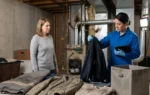
A boiler puffback can happen in an instant. A misfire in your furnace or boiler sends a sudden blast of black soot, oily residue, and heating-oil odor through your home. The damage isn’t just visible. The heavy petroleum smell can penetrate every soft surface in the affected rooms and linger for weeks without the right treatment.
If you need to remove oil odor from clothes, bedding, drapes, or upholstery after a boiler soot event, this guide explains why the smell is so persistent, what the right approach looks like, and what happens if you try to manage it with standard cleaning methods.
What To Do Right Now
In the hours immediately following a puffback event:
- Turn off the boiler or furnace and have it professionally inspected before restarting it.
- Do not run the HVAC fan or forced-air system. This will distribute soot and odor throughout the home.
- Document all visible damage with photos before any cleaning attempts. This is essential for your insurance claim.
- Do not attempt to wash boiler-soot affected clothing in your home washer before evaluation. Oily soot can stain your drum and spread residue to other loads.
- Contact a textile restoration specialist with experience in petroleum odor and soot removal.
What Is a Boiler Puffback and Why Does It Affect Fabrics So Severely?
A puffback occurs when unburned oil or gas accumulates in a furnace or boiler and then ignites all at once. The resulting backblast pushes combustion byproducts—which consists of fine black soot, unburned oil particles, and heating-oil odor—back through the system and into the living space. In severe cases, soot can coat surfaces in a room within seconds.
What makes boiler soot cleaning particularly challenging is the composition of the residue. Unlike wood fire soot, heating-oil combustion produces particles that are:
- Exceptionally fine and penetrating. They settle into fiber at a depth that surface cleaning cannot reach
- Oily and sticky. They bond to fabric in a way that water-based cleaning alone cannot break down
- Strongly odorous. The petroleum compounds responsible for the smell are chemically stable and do not evaporate quickly on their own
This combination is why homeowners who try standard cleaning often find the odor returns, sometimes even stronger, after items are washed or the room is aired out.
What Happens If You Do Nothing
Untreated boiler soot in fabrics creates compounding problems over time. The oily residue continues to bond deeper into fiber as it ages, making eventual removal progressively harder and more expensive. The persistent petroleum odor can cause headaches, nausea, and throat irritation with ongoing exposure. These symptoms are especially noticeable in bedrooms and living areas where affected soft goods remain in daily use.
Delaying treatment also narrows your restoration options. Items that could be saved with timely professional treatment may need to be replaced if the contamination is left to set for weeks.
How to Remove Oil Odor from Clothes and Fabrics: The Professional Approach
Effective oil odor removal from fabrics after a boiler malfunction requires agents and methods matched specifically to petroleum-based contamination. Standard dry cleaning and household laundry products are designed for everyday soil, not oily combustion byproducts. A specialist approach includes:
- Item evaluation: Each item is assessed for the level of soot and petroleum exposure before treatment begins. Fabric type determines which cleaning agents are safe and effective.
- Petroleum-specific degreasing: Solvent-based or enzyme-based agents that target oil compounds are used rather than general detergents.
- Multi-layer extraction: Treatment reaches into seams, padding, and inner fiber layers where boiler soot has settled, not just the visible surface.
- Odor neutralization: Petroleum odor compounds are chemically neutralized rather than masked with fragrance, ensuring the result is genuinely clean rather than temporarily covered.
Puffback and Homeowners Insurance: What to Know
Most standard homeowners insurance policies cover puffback damage as a sudden and accidental loss. This includes damage to soft goods such as clothing, bedding, drapes, upholstered furniture, and rugs. The key requirement is thorough documentation before any cleaning or disposal begins. A professional restoration company can provide itemized reports and condition assessments that support your claim and reduce disputes with the adjuster.
Getting Your Home Back After a Puffback
Knowing how to remove oil odor from clothes and fabrics after a boiler soot event is the first step. The second step is acting quickly, before the residue bonds deeper and your restoration options narrow. With the right professional approach, most puffback-affected textiles can be restored to a genuinely odor-free condition.
If your home’s fabrics and soft goods were affected by a boiler puffback, contact Renewal Claim Solutions for a professional evaluation and a petroleum-odor removal plan that actually works.
We’re here to help.
Get in TouchPeople Also Ask
What is a boiler puffback?
A puffback is a furnace or boiler misfire in which unburned fuel ignites in a delayed burst, pushing soot, oil particles, and combustion gases back through the system into the living space. It can happen in an instant and affect every room connected to the heating system.
Why does boiler soot smell so much worse than regular fire soot?
Heating-oil combustion produces petroleum-based compounds that are chemically stable and resistant to evaporation. Unlike wood smoke, these compounds do not dissipate quickly on their own and have a distinctly heavy, chemical odor. They also bond more aggressively to fabric fibers, which is why the smell can persist for months without proper treatment.
Can I wash puffback-affected clothing at home?
Standard home washing is generally not effective for heavy boiler soot contamination. The oily residue requires petroleum-specific agents to break down properly, and home washing can transfer oily soot to the washing machine drum and spread it to other items in the load. Professional treatment is more reliable and protects your appliances.
Is puffback damage covered by homeowners insurance?
Most standard homeowners policies cover puffback as a sudden and accidental loss, including damage to soft goods and contents. Document the damage thoroughly before any cleaning or disposal. A professional restoration company can provide the itemized reports your adjuster needs to process your claim.
Related Blog
Still Sneezing After Renovating? Your Fabrics Could be Causing Your Allergies After Home Renovation
Can Black Mold Mycotoxins Be Removed from Porous Household Fabrics and Clothing?

Can Smoke Odor Be Completely Removed from Upholstered Furniture After a Fire?