


Art Restoration After a Fire: What You Need to Know
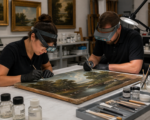
What it Really Takes to Restore Art After a Fire
A house fire takes so much. The structure, the furniture, the sense of safety. But for many families, what hurts most isn’t everything they lost but everything that almost survived.
A painting that’s been in the family for generations. A framed piece bought on a honeymoon trip. A print your grandmother brought home from another country. These items often make it through a fire only to be left coated in soot, soaked with water from suppression efforts, or saturated with the kind of smoke smell that doesn’t fade.
The good news: a lot of that damage is reversible. But it takes the right expertise, the right tools, and the right sense of urgency.
At Renewal Claim Solutions, art restoration is one of the most technically demanding services we provide and one of the most meaningful.
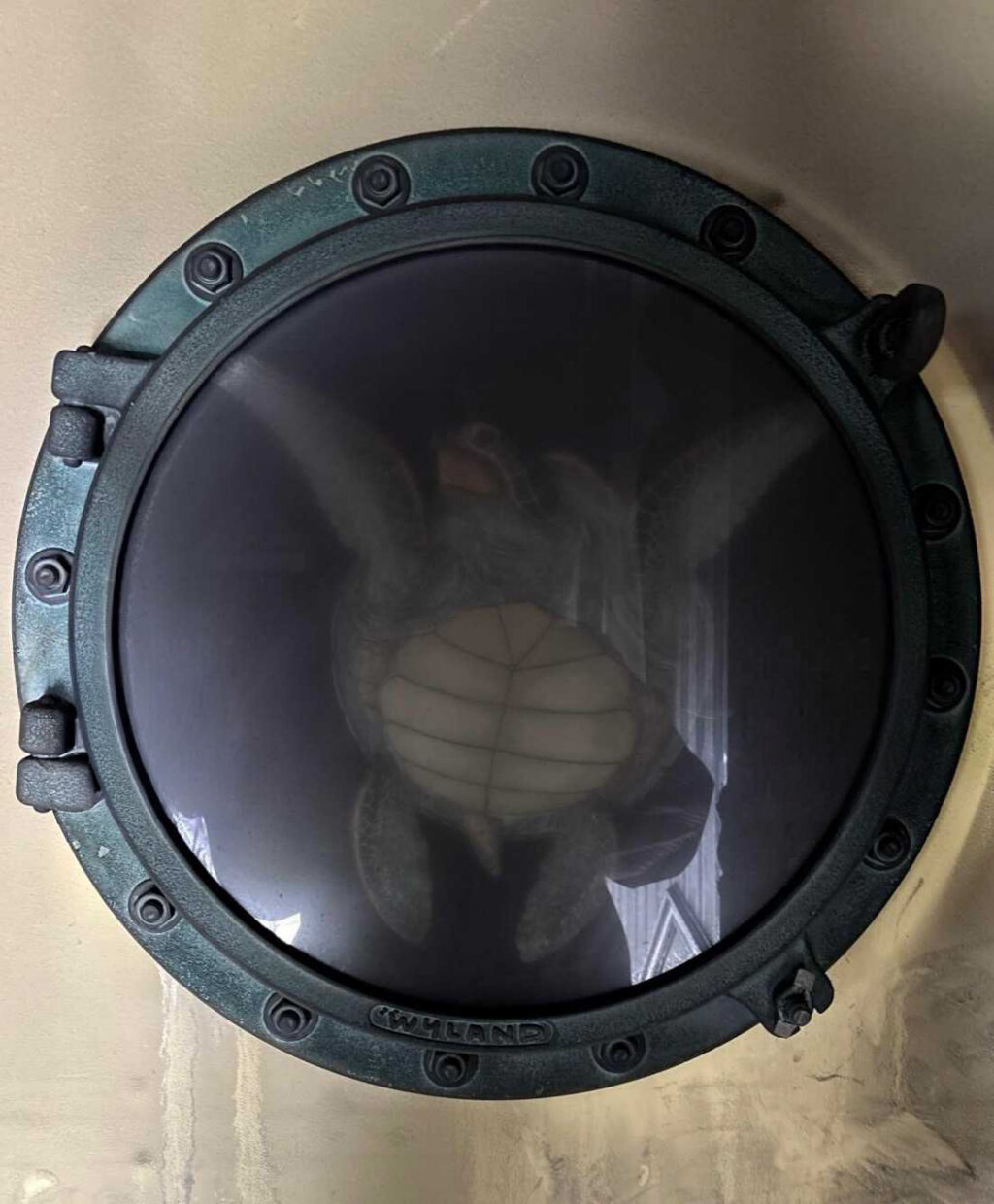
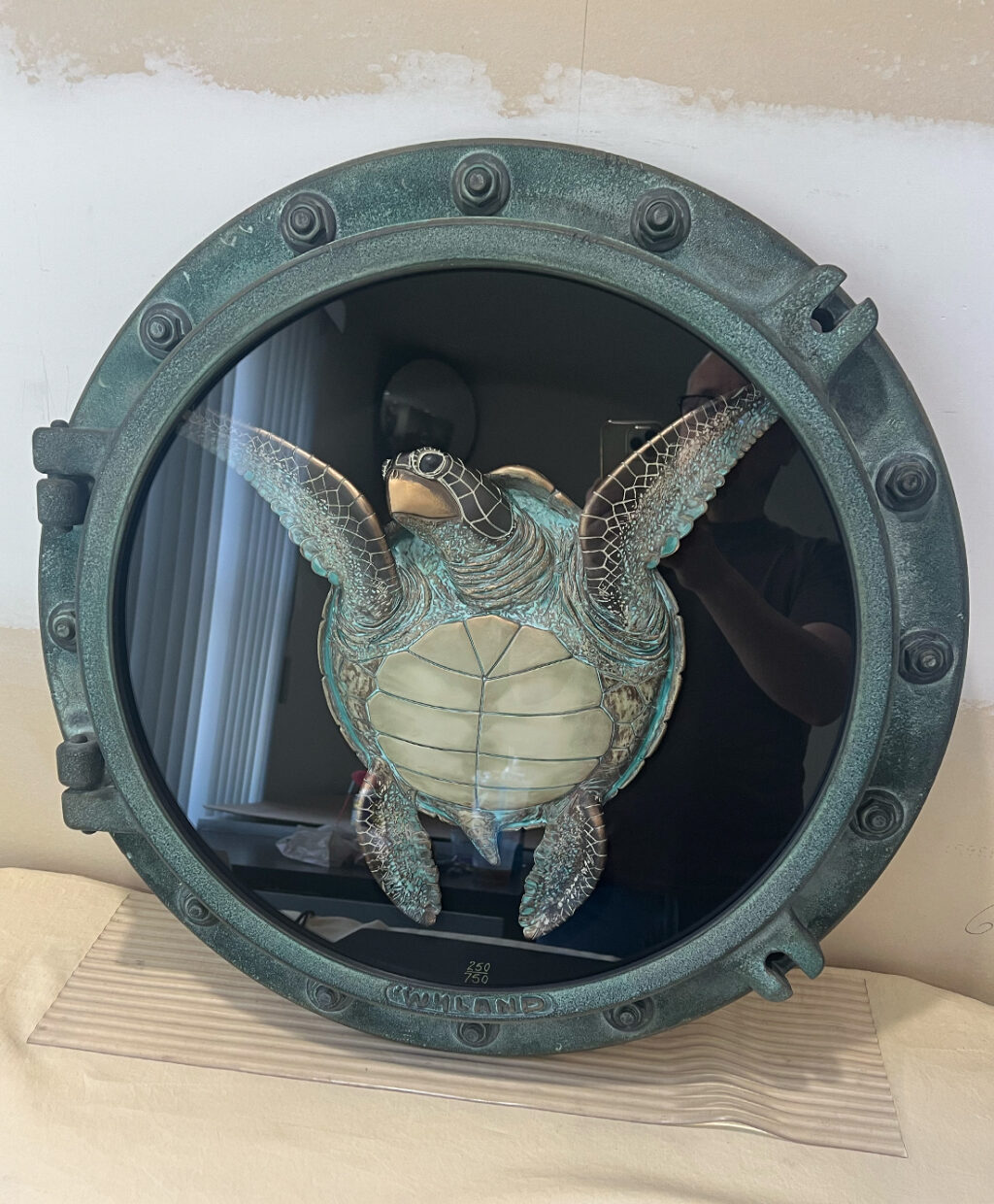
What Fire and Smoke Actually Do to Artwork
Art restoration is tough. Not only do you need a degree of expertise as an artist, but you need to know how to deal with everything that comes with a fire. To understand why restoration is so technical, it helps to understand what you’re dealing with.
- Fire damage to artwork comes from multiple directions at once: Direct heat and combustion, the smoke itself, and the water or fire retardant used to stop the flames all contribute to the umbrella term “fire damage.” Any one of these alone can cause serious harm. Together, they create a complex mix of damage that has to be addressed layer by layer.
- Smoke is a combination of fine soot particulates and toxic volatile organic compounds: Many people assume smoke is just water vapor, but it’s much more than that. Smoke from a fire can consist of carbon monoxide, formaldehyde, benzene, and traces of heavy metals. These compounds infuse deep into a painting, making the work nearly impossible to see. The volatile compounds chemically bond with the materials in the work itself.
- Heat flaking: When artwork is exposed to intense heat, the canvas and everything on it, whether ink, paint, or other medium, all expand at different rates. This creates stress. Older paint films that have already become brittle with age can’t flex enough to handle that stress, so they begin to crack. As the piece cools, those cracks widen and the paint starts to separate from the surface beneath it.
- Water damage can be just as destructive as the fire itself: The water that saves a home can also be responsible for damage to artwork. Moisture can get trapped beneath the surface of the artwork, creating conditions for mold to develop within 24 to 48 hours if left untreated.
- Different materials react differently to damage: The medium of the artwork plays a critical role in how fire, smoke, and water affect it. Every material responds differently to heat, soot adhesion, and moisture, which means restoration methods must be tailored specifically to each individual piece.
This is why timing matters so much. The longer artwork is exposed to soot, heat, and moisture after a fire, the harder it becomes to reverse the damage. Permanent staining, mold, and odors that have deeply permeated the canvas or paper become increasingly difficult to address with every passing hour.
Why Art Restoration Is Different From Everything Else
Manny Vendelis of Renewal Claim Solutions trained with a conservatory out of Philadelphia to learn how to restore artwork after a fire. That training matters. Restoring artwork is a fundamentally different discipline than restoring textiles or other household contents.
“The art world is very different from the textile world,” Manny explains. “What we do is different for each piece we work on. You need the proper knowledge to understand what mediums were used to create the piece in order to do the proper restoration.”
Before any cleaning begins, his highly-trained team researches the artwork itself, learning about the artist, the techniques used, the materials involved, and the piece’s documented value. That research shapes every decision made during restoration. Each different medium, era, and varnish requires a unique approach. Everyone on the team from onsite technicians to inventory managers understand how delicate this work is and know how to handle these precious pieces.
Manny and his team know they can’t get it wrong. One mistake can permanently reduce a piece’s value or cause further damage. For any piece of artwork, the stakes are high.
This is the work that separates a qualified art restoration professional from someone who handles general cleaning.
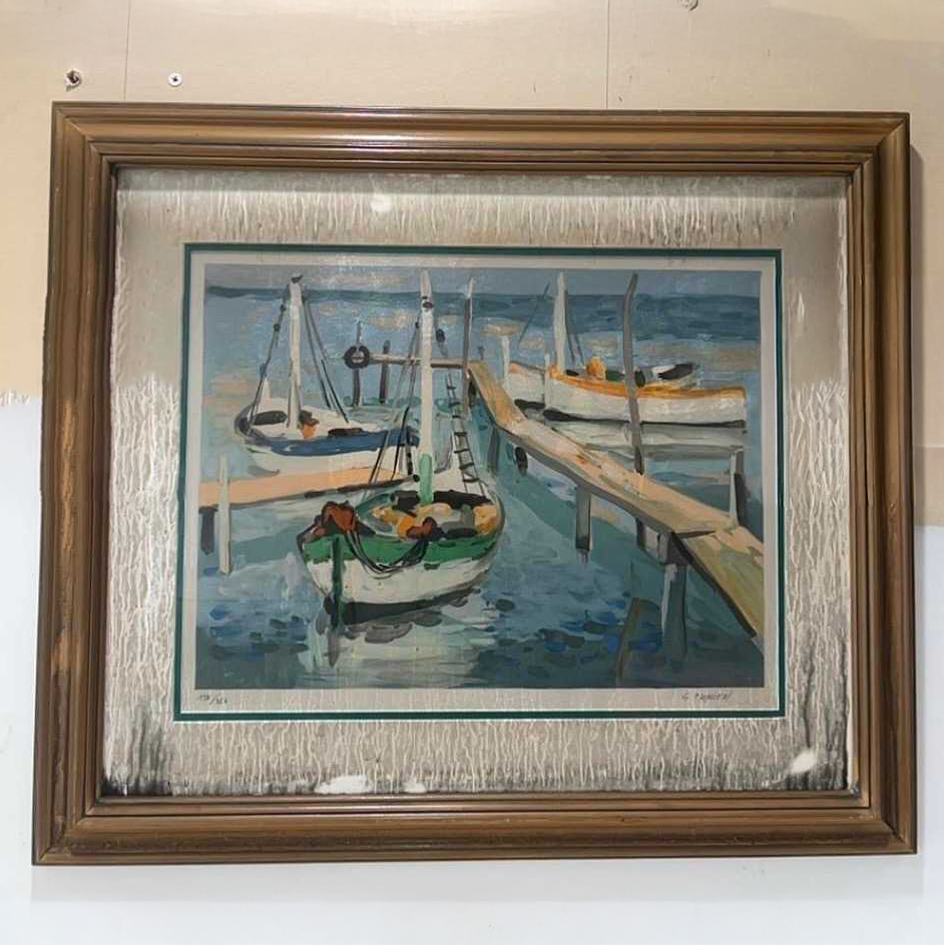
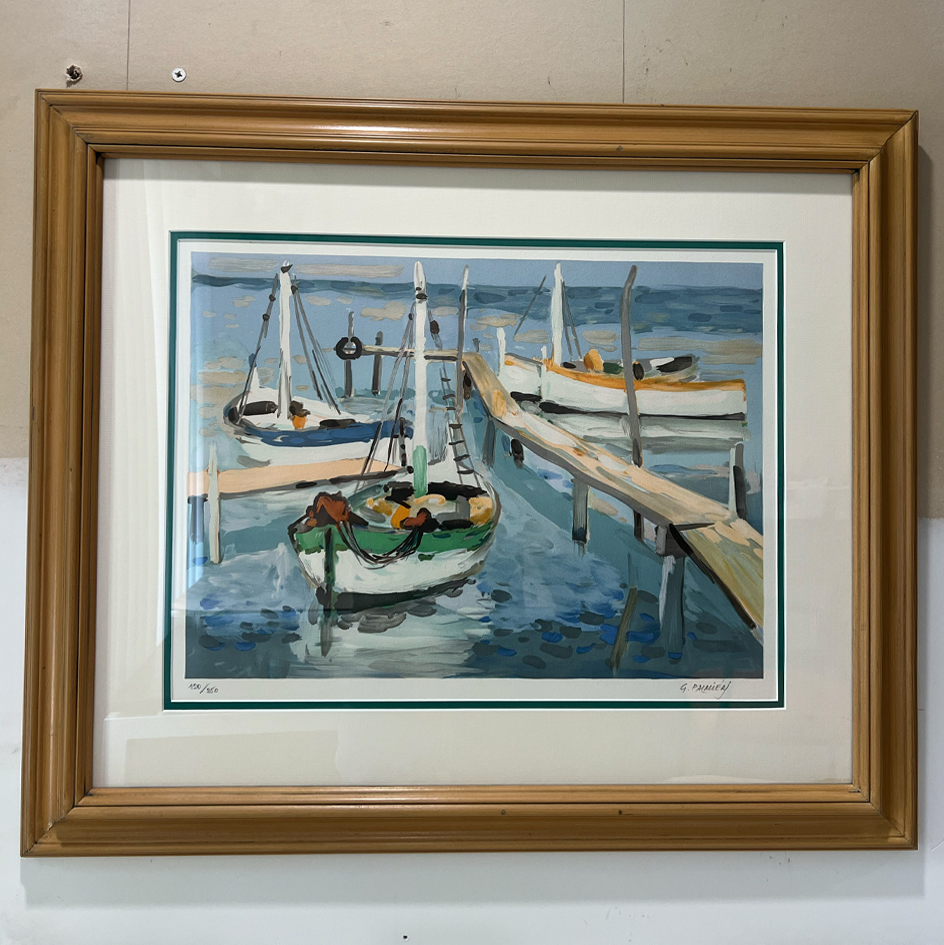
How We Actually Do It
The process begins the moment we arrive on site even before a single piece is touched.
Our team arrives prepared. We bring everything we need to care for damaged artwork and to transport it back to our facilities. We know both the emotional and monetary value of what we’re handling, and when we’re unsure, we ask the homeowner or check the insurance policy.
Even the lightest touch before proper preparation can grind soot or ash particles into the surface of an artwork and permanently damage it. How a piece is handled before restoration even begins is critically important.
Once a piece is safely transported to a facility, it’s stored carefully so that it can’t be damaged further.
From there, the technical work begins. Each item is individually assessed based on its exposure and its composition and our restoration techniques are adapted accordingly. Our team uses fine brushes, specialized vacuum systems, and forced air techniques to begin lifting soot and debris from the surface of the work. As necessary, items are carefully disassembled, and each component is evaluated before being cleaned and deodorized. Then the item is reassembled.
The most painstaking part, Manny says, is knowing how far to go. “We do a lot of research to understand the value the artist created in the piece. This helps us figure out the right cleaning method and the acceptable amount of restoration that can be done without jeopardizing its value.”
That distinction matters enormously. Cleaning too aggressively or applying treatments that aren’t appropriate for the medium can strip a piece of the qualities that give it authenticity and value. Part of the skill is knowing when to stop.
What Art Restoration Means to Families
Every piece of artwork that comes to us carries a story. Manny has seen it dozens of times: a painting that looked like a total loss comes back, and the family member who thought it was gone forever gets to see it again. The emotional value of a piece of artwork can’t be overstated.
“It’s always a great joy when pieces go back,” he says.
That’s not a small thing. In the aftermath of a fire, when families are dealing with insurance paperwork, temporary housing, and the long process of rebuilding their lives, getting something irreplaceable back is genuinely meaningful.
That’s the work we show up to do.
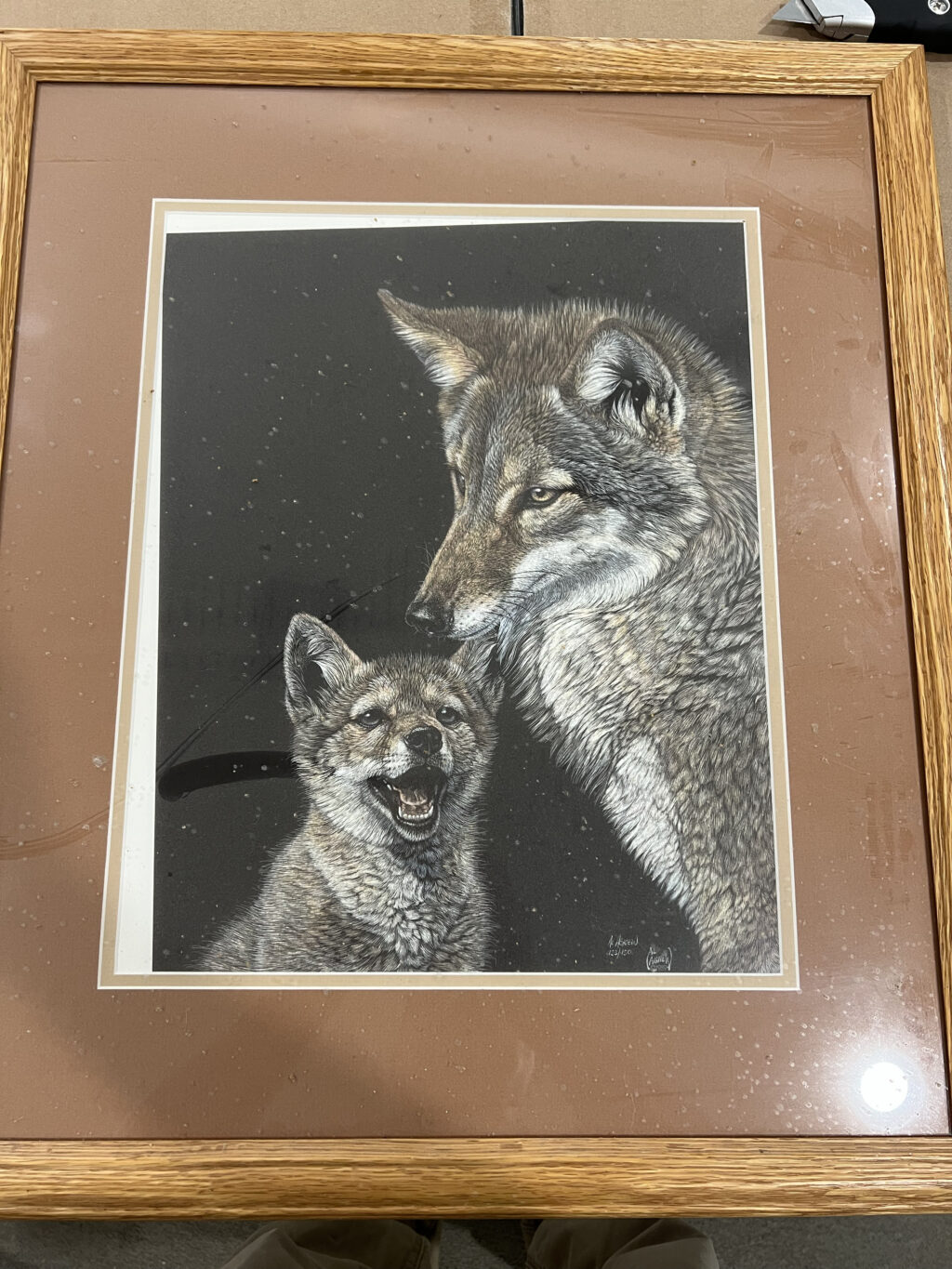
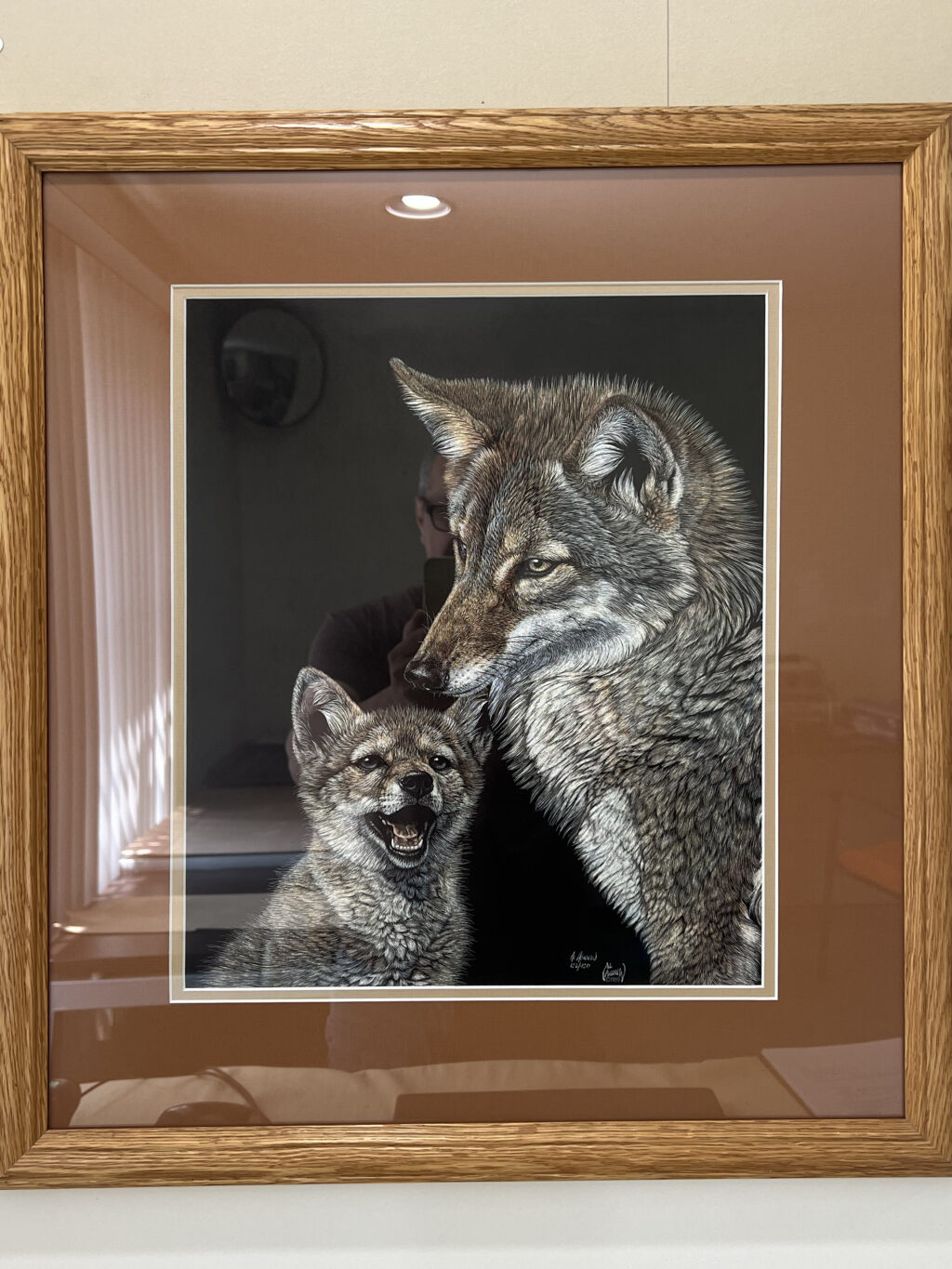
What to Look for in an Art Restoration Partner
If you’re working with a homeowner whose artwork has been damaged in a fire, here’s what matters when choosing who handles it:
- Proper insurance. Anyone handling high-value artwork needs to be appropriately insured for the work they’re doing.
- Knowledge of art handling. Improper handling before restoration even begins is one of the most common ways that additional damage occurs. A qualified team arrives with the right materials, knows how to package and transport fragile pieces, and treats the pickup process with the same care as the restoration itself.
- Research-driven restoration. Good restoration professionals don’t treat every piece the same way. They research the artist, understand the medium, and tailor their approach accordingly.
- Awareness of value. A qualified team knows what they’re working with and will ask about insurance valuations when they’re unsure. If someone arrives to pick up a significant piece without any apparent knowledge of its value, that should give you pause.
- Emotional impact. Many art pieces have strong sentimental value. They’re heirloom items handed down from generation to generation, and should be treated with respect. A qualified and trained team of restoration professionals understands the emotional value of your artwork, too.
Why Renewal Claim Solutions
Art restoration is one of the most specialized services in the restoration industry. It requires training, research, the right equipment, and a genuine respect for what these pieces mean to the families who own them.
Renewal Claim Solutions works with families and the insurance professionals and claims teams who serve them to make sure that work is done right. Our team has the training, tools, and professional network needed to handle everything from pickup to storage to final restoration, and we document everything along the way for insurance purposes.
A piece of artwork isn’t just an object. It’s a trip you took, something your grandmother loved, a memory with a frame around it. Getting it back after a fire, restored and recognizably itself, doesn’t undo what happened. But it returns something real. That’s how Renewal Cares.
We’re here to help.
Get in TouchFAQs
Can artwork damaged by fire actually be restored?
Yes, in many cases fire-damaged artwork can be restored. While soot, smoke, heat, and water can cause significant damage, much of it is reversible with the right expertise and timely intervention.
What types of damage do fire and smoke cause to artwork?
Fire damage is complex and often includes soot contamination, chemical residue from smoke, heat-related cracking or flaking, and water damage from firefighting efforts. Each type of damage must be addressed carefully and individually.
Why is professional art restoration different from standard cleaning?
Art restoration requires specialized knowledge of materials, mediums, and techniques. Each piece must be researched and treated uniquely to preserve its integrity and value—something general cleaning services are not equipped to do.
How important is timing when restoring fire-damaged artwork?
Timing is critical. The longer artwork is exposed to soot, moisture, and smoke, the more likely it is to develop permanent staining, odors, or even mold within 24–48 hours.
What should homeowners look for in an art restoration provider?
Homeowners should look for providers with proper insurance, expertise in art handling, a research-driven approach to restoration, and an understanding of the artwork’s value. These factors help ensure safe handling and proper restoration.
Related Blog
Still Sneezing After Renovating? Your Fabrics Could be Causing Your Allergies After Home Renovation

Can Black Mold Mycotoxins Be Removed from Porous Household Fabrics and Clothing?

Can Smoke Odor Be Completely Removed from Upholstered Furniture After a Fire?