


Silica Dust on Upholstery: The Hidden Hazard After Construction or Damage
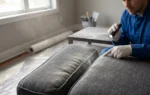
A renovation or repair project often ends with fresh walls, updated finishes, and a home that feels restored. But even after crews leave and surfaces look clean, one stubborn problem may remain: fine construction dust.
That dust doesn’t only come from remodeling projects. It’s also created during fire damage remediation and water damage restoration, when wet or fire-damaged materials are cut, torn out, sanded, or demolished. Drywall, insulation, tile, mortar, concrete, and framing materials all release ultra-fine particulates when disturbed.
And once that dust becomes airborne, it doesn’t stay contained.
It can migrate into rooms that were never part of the damage or repair area—settling into upholstery, rugs, bedding, and other soft goods. What started as one cleanup project can quickly become another.
This guide explains where this dust comes from, how it spreads, why it matters for your home, and when professional textile restoration is the safest next step.
What Is Silica Dust and Why Is It Dangerous?
Fine particulate contamination is commonly produced during:
- Home renovations and remodels
- Tile cutting, concrete grinding, drywall sanding
- Fire damage demolition and charred material removal
- Water damage remediation when soaked drywall, flooring, or insulation is cut out
- Mold remediation requiring removal of contaminated building materials
When damaged materials are cut or removed, microscopic particles are released into the air. These particles are:
- Extremely small and lightweight, allowing them to travel easily
- Abrasive, meaning they can wear down surfaces over time
- Persistent, settling deep into soft materials and remaining long after visible debris is gone
Even when plastic barriers are installed, dust frequently finds its way beyond the work zone.
How Silica Dust Settles Into Upholstery and Soft Goods
Even if your contractor uses tarps or plastic barriers, silica dust often travels farther than expected. It can move:
- Through air vents and HVAC systems
- Under doors or around imperfect seals
- On your clothing, shoes, tools, or moving boxes
- Into adjacent rooms through normal airflow
Once it settles, it sinks into soft surfaces like:
- Sofas, chairs, and upholstered benches
- Cushions, pillows, and throws
- Mattresses and padded headboards
- Curtains and draperies
- Area rugs and runners
- Pet beds and soft toys
Soft goods act like filters, trapping dust inside layers you can’t see—so even when the room looks clean, particles may still be sitting deep inside your furniture.
Signs of Silica Dust on Upholstery
Silica residue can look like normal dust at first, but a few clues help you spot it:
- A fine light-gray film that returns quickly after wiping
- Upholstery feels gritty even after vacuuming
- Coughing or throat irritation when you sit on furniture
- Pets avoiding certain spots or sneezing nearby
- Light fabrics look dull, while dark fabrics appear ashy
- Creases or seams show visible residue when pressed
A simple test: if you pat a cushion and see a small cloud rise, you’re likely dealing with fine construction dust, possibly silica.
Is Silica Dust Harmful to Upholstery?
Silica dust is highly abrasive, and the longer it sits in your soft goods, the more damage it can cause. Over time it may:
- Wear down fibers prematurely
- Create permanent discoloration or a chalky haze
- Sink into cushioning and foam layers
- Make fabrics feel rough or stiff
- Scratch or dull delicate upholstery (like velvet, microfiber, or chenille)
Even a small amount of dust can cause long-term damage if it keeps getting ground into the fabric through daily use.
Why DIY Upholstery Cleaning Can Backfire
When renovation dust shows up, it’s normal to want to clean it right away. But some common DIY approaches can actually make silica harder to remove, including steam cleaning, heavy shampooing or over-wetting,using commercial upholstery sprays without testing, vacuuming without HEPA filtration.
Here’s why those methods can make things worse:
- Moisture binds silica to fibers, turning dust into a stubborn residue
- Steam softens fabric, letting abrasive particles cut deeper
- Standard vacuums can recirculate fine particles back into the air
- Aggressive cleaning pushes dust further into foam and batting
DIY cleaning often drives silica deeper into upholstery. Professional textile restoration uses dry, controlled removal methods designed specifically for fine construction residue.
Safe Steps You Can Take Right Away
If you suspect your upholstery has silica dust, here’s what you can do immediately:
- Avoid sitting on or using affected furniture: Movement kicks dust back into the air and grinds it deeper into fibers.
- Use a HEPA vacuum only: This captures surface-level particles without redistributing dust into your home.
- Keep kids and pets away from the area: Their smaller airways are more sensitive to fine particles.
- Don’t steam or wet-clean fabrics yet: Moisture makes silica cling harder and increases the risk of damage.
- Take photos for insurance: Clear documentation helps support restoration decisions later.
When to Call a Professional Textile Restoration Team
Silica contamination almost always needs professional textile restoration, especially when dust exposure is heavy or widespread.
Call Renewal Claim Solutions if:
- Renovation work happened near upholstered furniture
- You see visible dust settling on cushions or fabrics
- Vacuuming isn’t improving the residue
- Your household is experiencing coughing or irritation
- You’re unsure what can be safely restored
- Multiple rooms show signs of dust travel
Renovations involving tile cutting, concrete grinding, mortar, stucco, or drywall sanding are especially high-risk for silica dust.
How Renewal Claim Solutions Restores Silica-Contaminated Upholstery
Renewal Claim Solutions specializes in restoring textiles and soft goods affected by construction residue. Here’s what the process typically includes:
1. Assessment & Safe Packout
Your upholstered items and other affected soft goods are inspected, documented, and removed carefully so dust doesn’t spread.
2. HEPA-Based Air and Fiber Extraction
Specialized textile systems remove fine silica and gypsum particles without pushing them deeper.
3. Controlled Cleaning Methods
Depending on the material, restoration may involve dry particulate removal, fiber agitation, HEPA-negative air environments, or specialized wash systems.
4. Cushion and Inner-Layer Remediation
Because silica settles below the surface, the restoration process targets foam, batting, and internal structure, not just the outer fabric.
5. Finishing and Quality Checks
Items are deodorized, reshaped, and finished to return them as close to pre-loss condition as possible.
6. Insurance Documentation Support
Clear restoration notes help adjusters determine what can be saved versus replaced, speeding up decisions and supporting fair outcomes.
Restore Your Space Without the Lingering Dust
Renewal Claim Solutions specializes in removing abrasive construction residue from upholstery and textiles safely and effectively.
Contact us orsubmit a claim today for expert help reclaiming your space after construction.
People Also Ask
Can silica dust ruin upholstery?
Yes. Silica dust is abrasive, so when it settles into your couch or chairs, it can slowly wear down fibers the way fine sandpaper would. Over time, that can lead to thinning fabric, rough texture, or fading that doesn’t come out with normal cleaning. If dust gets ground in through daily use (sitting, leaning, or fluffing cushions) the damage can speed up. You may also notice a stubborn chalky haze, especially on darker fabrics. The good news is that many pieces can be restored if treated early and cleaned with the right dry-removal methods.
Is silica dust harmful to breathe?
Yes. Silica particles are so small that they can stay airborne and get into your lungs even when the room looks clean. Short-term exposure may cause coughing, throat irritation, or tightness in your chest, especially if you have asthma or allergies. Kids and older adults tend to feel the effects more quickly because their airways are more sensitive. Pets can also react by sneezing or avoiding areas where dust has settled. If you’re noticing irritation after a renovation, it’s a strong sign that fine dust is still present in your home.
How do I remove silica dust from my couch?
Start by using a HEPA vacuum on all surfaces, seams, and creases, since standard vacuums can blow fine particles back into the air. Avoid steam cleaning or wet shampoos at first—moisture can bind silica to the fabric and make it harder to remove later. If the couch feels gritty, looks dull, or releases a dust cloud when you pat it, the dust is likely embedded beyond what home tools can reach. In that case, professional textile restoration is the safest next step because it removes fine particles without grinding them deeper.
Can silica dust spread through my HVAC system?
Yes. Because silica dust is extremely light and microscopic, it can travel through vents and settle in rooms far from the renovation area. Even if doors were closed, air movement through your HVAC system can pull particles into ductwork and redistribute them throughout your home. That’s why dust may keep reappearing on furniture, clothing, or floors after you clean. If multiple rooms feel dusty or anyone in your home is coughing more than usual, silica migration is very likely. It’s always best to assume the dust spread unless a professional confirms it was fully contained.
Should I replace furniture exposed to silica dust?
Not necessarily. Many upholstered pieces can be restored, especially if the dust is addressed before it’s repeatedly worked into the fabric and cushion layers. Replacement is usually only needed if fibers are already worn down, fabric is permanently discolored, or the dust has bonded to materials through moisture or improper cleaning. Professional restoration targets both the surface fabric and the inner foam or batting where silica often collects. If your furniture has value (financial or sentimental), restoration is almost always worth exploring first.
Related Blog
Bed Bugs on Clothes? How to Stop the Spread and Treat Soft Goods Safely
Home Air Quality Testing After a Fire: How to Confirm It’s Safe to Breathe Again