
Home Air Quality Testing After a Fire: How to Confirm It’s Safe to Breathe Again
When the fire trucks leave and the visible debris is cleared, most homeowners assume the worst is over.
Then you walk inside.
The walls look clean. The floors have been wiped down. But there’s still a faint smell in the air. Maybe your couch feels slightly gritty. Maybe your throat feels scratchy after 20 minutes inside.
That’s when people start searching:
- Do I need at home air quality testing after a fire?
- How do I know if smoke is still in my house?
- Is indoor air quality testing after a fire really necessary?
The truth is, what lingers after a fire isn’t always visible. And guessing isn’t a great strategy when it comes to your lungs.
Why Air Quality Matters After a Fire
Even after the smoke smell fades, your air may still contain invisible particles. Those can include:
- Fine soot and ash
- Irritating gases from burned materials
- Chemicals released from plastics, paint, or treated wood
- Dust and debris pulled into your HVAC system
After a fire, the air can still hold microscopic particles and toxins that irritate your lungs and cling to soft goods. A professional smoke particulate test confirms your air is safe before you move back in.
Because these contaminants are so small, many homeowners return too early without realizing the air is still compromised.
Common Post-Fire Air Contaminants
1. Soot and Smoke Particles
Soot is much finer than ordinary dust. It can float in the air for hours and settle everywhere, especially into clothing, bedding, rugs, and upholstery.
2. Lingering Smoke Odors
If your home still smells smoky days later, it often means particles remain in the air and inside porous surfaces.
3. VOCs (Volatile Organic Compounds)
These gases can come from burned plastics, finishes, or household chemicals. They may cause headaches, nausea, or throat and eye irritation.
4. HVAC-Driven Debris
If your HVAC was running during or soon after the fire, it can carry smoke residue into rooms that look untouched.
How Air Quality Testing After a Fire Works
An air quality home inspection after a fire isn’t someone walking through and “sniff testing.” It’s typically performed by an industrial hygienist, the specialist trained to measure airborne contaminants and interpret the data.
They may perform:
- Particulate Sampling: Measures the level of fine soot and ash still floating in your air.
- VOC Testing: Detects chemical gases released by burned building materials or household items.
- Surface Sampling: Wipe tests on walls, furniture, and textiles to check for hidden residue.
- HVAC Assessment: Checks ducts, filters, and internal components for smoke contamination.
- Clearance Testing: Done after cleanup to confirm your home meets safe re-entry levels.
If you’re unsure whether your home needs testing, it’s worth asking your restoration contractor or adjuster. Air quality testing is most useful when smoke travels widely or symptoms persist.
How Smoke Particulates Affect Your Textiles
Even if flames never touched your belongings, smoke residue can settle into nearly every soft surface. Items most at risk include:
- Upholstery and cushions
- Draperies and sheers
- Bedding and mattresses
- Rugs and carpeting
- Clothing, coats, backpacks, and fabric bins
- Children’s items and soft toys
Smoke particles cling to fibers and can cause:
- Odors that come back after “normal” cleaning
- Yellowing or discoloration over time
- Irritation when you handle fabrics
- Contamination trapped below the surface
- A cycle where textiles keep re-releasing residue into your air
This is why a smoke particulate test is so helpful: it can reveal whether soft goods are still contributing to poor air quality, even when rooms look clean.
Why Air Testing and Textile Restoration Work Together
Air testing by hygienists answers one question:
Is the air safe right now?
Textile restoration answers another:
Are your soft goods continuing to re-contaminate the air?
Even if clearance testing passes, smoke residue inside upholstery can slowly release odor and particles over time.
We often see situations where structural cleaning was completed properly, but untreated textiles continued to cause odor complaints.
Why Professional Textile Restoration Matters After a Fire
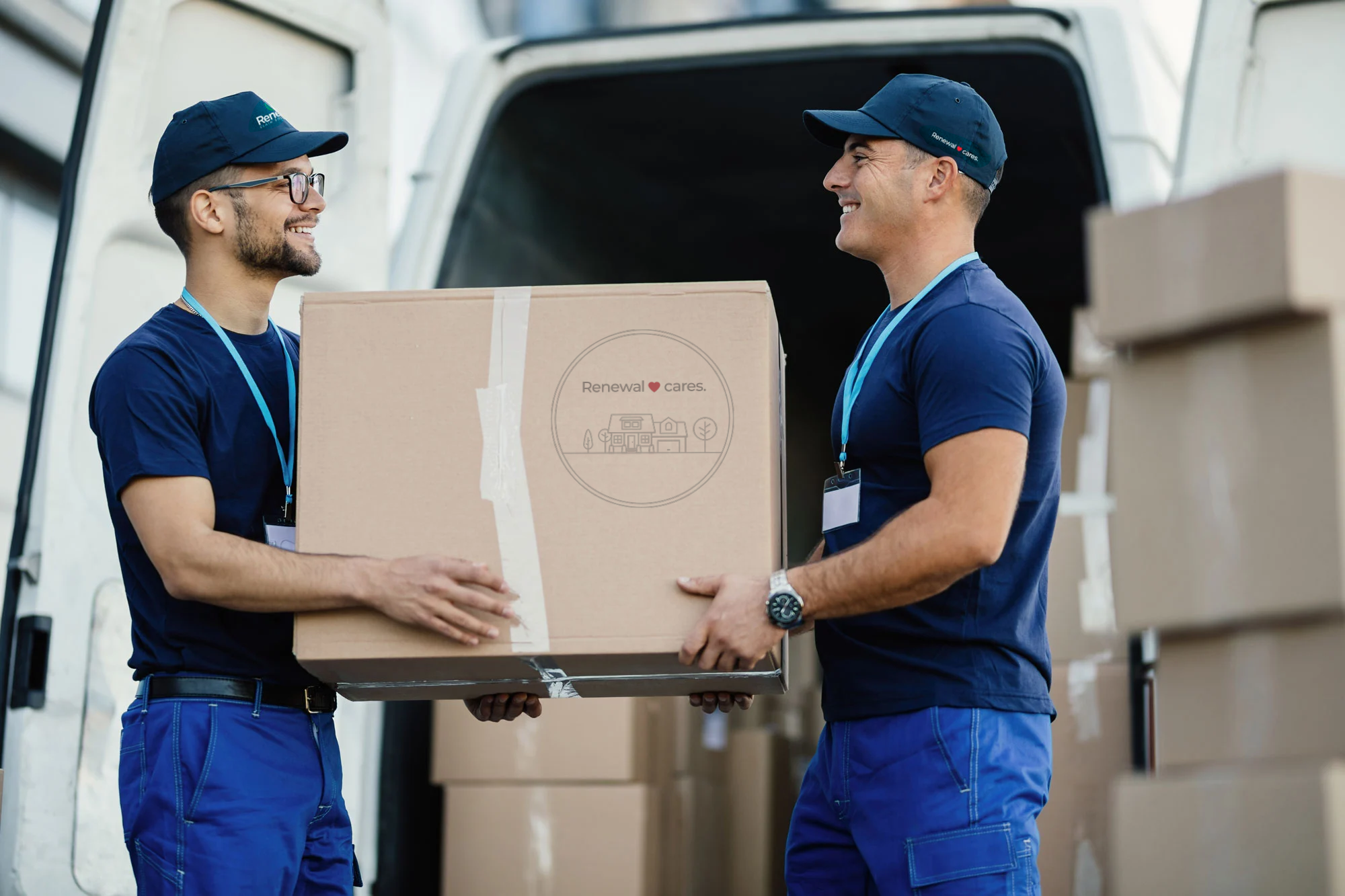
Even with good air test results, textiles may still require remediation. Renewal Claim Solutions focuses exclusively on textiles and soft goods, providing homeowners with:
- Controlled Packout and Inventory: Textiles are carefully identified, documented, and removed to avoid cross-contamination.
- Soot and Smoke Remediation: Using advanced wash systems, ozone/hydroxyl deodorization, particulate extraction, and fiber-safe treatments.
- True Odor Neutralization: Specialized processes ensure fibers are fully deodorized — not masked.
- Fiber-Safe Cleaning for Delicates: Processes are designed to remove soot without damaging sensitive fabrics.
- Clear Documentation for Claims: Adjusters rely on clear documentation of what can be restored versus replaced.Our inventories support fair restoration vs. replacement decisions.
When You Should Request Air Quality Testing
You should request professional air testing if:
- Smoke reached multiple rooms, even far from the fire
- Odors linger days after cleanup
- You keep finding soot after wiping surfaces
- Your family includes children, older adults, or pets
- You notice coughing, headaches, or throat/eye irritation inside the home
- Your textiles feel gritty or smell smoky
- Your contractor or adjuster recommends verification
When in doubt, testing is a safe, informative step that we recommend taking before you and your loved ones return inside your home.
Get Clear Answers and a Cleaner Home
Professional air quality testing ensures your home is safe, and professional textile restoration ensures your soft goods are truly clean. If smoke particulates have impacted your clothing or upholstery, contact us or submit a claim for expert guidance and support—because Renewal Cares.
People Also Ask
Why is air quality testing important after a fire?
What you can’t see can still affect your health. Fires release tiny soot particles and chemical byproducts that may linger in the air even after surfaces look clean. Air testing measures whether those contaminants are still present at unsafe levels. It also helps confirm whether soft goods or HVAC systems are continuing to spread residue. If you want real assurance before moving back in, testing is the most reliable way to get it.
How long does smoke stay in the air after a fire?
Light smoke may clear quickly, but fine particles can remain for days or longer depending on ventilation and how far smoke traveled. Soot doesn’t just float, it settles into fabrics, vents, and porous materials and can be stirred back into the air later. That’s why people often notice odor returning after cleaning. If your home still smells smoky a week later, it’s worth considering a smoke particulate test.
Can smoke residue make you sick?
Yes. Breathing in smoke residue can irritate your lungs and trigger coughing, wheezing, sinus issues, or chest tightness. It may also cause headaches, nausea, or eye irritation, especially if burned plastics or chemicals released VOCs.
What are signs of poor indoor air?
After a fire, poor indoor air isn’t always obvious, but your body and your home can give you clues. If you notice lingering smoke odor, a dusty or “gritty” feeling on surfaces, or soot that seems to reappear after wiping, air quality may still be compromised. Physical symptoms matter too: coughing, scratchy throat, headaches, watery eyes, or chest tightness when you’re inside can all be signs that particles are still in the air.
Can I do my own air quality test?
You can buy DIY air quality kits or particle monitors, but they usually give limited or incomplete information after a fire. Many at-home tests can’t reliably measure fine soot, chemical byproducts, or VOCs at the levels that matter for safe reentry. For peace of mind and insurance documentation, professional air quality testing after a fire is the most dependable option.
Related Blog
Bed Bugs on Clothes? How to Stop the Spread and Treat Soft Goods Safely
Silica Dust on Upholstery: The Hidden Hazard After Construction or Damage