
Fuel Oil Spill Cleanup: How to Remove Petroleum Odor from Fabrics
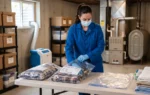
A fuel oil spill in the basement is one of the most disruptive events a homeowner can face. The physical mess is stressful enough. But what catches most people off guard is how quickly that petroleum odor spreads through the rest of the home and saturates clothing, bedding, rugs, and upholstery long before any visible staining appears on them.
Understanding how petroleum odor actually behaves in fabric, and why standard cleaning methods fail, is the first step toward a genuine fix. This guide covers everything you need to know about fuel oil spill cleanup for soft goods.
What to Do Right Now
In the first 24 to 48 hours after a fuel oil spill, your priority is safety, containment, and protecting your soft goods from further exposure:
- Stop the source. Turn off valves if you can do so safely and call your oil company or a licensed contractor immediately.
- Ventilate carefully. Open basement windows and direct fans outward so fumes don’t push further into living areas. Do not run the HVAC system, which will spread vapors through ducts.
- Do not disturb nearby textiles. Avoid shaking, sorting, or carrying fabric items through other rooms. This spreads petroleum vapors to unaffected areas.
- Do not home-wash affected items yet. Standard washing machines can’t break down oil compounds and may transfer the odor to other fabrics and the drum itself.
- Document the damage thoroughly with photos before any cleanup. This is essential for your insurance claim.
- Contact a textile restoration specialist with experience in petroleum odor removal, not just a general cleaning service.
The Problem: Why Petroleum Odor Spreads Beyond the Spill
Fuel oil does not need to physically touch a fabric item to contaminate it. Petroleum releases volatile organic compounds (VOCs) that travel through the air as vapors. These vapors rise through stairwells, enter closets, and settle on porous surfaces throughout the home. Soft goods (clothing, bedding, upholstery, rugs) are especially susceptible because their fibers trap and hold these compounds in a way that hard surfaces do not.
This is why a fuel oil spill in the basement can affect clothing stored two floors up. The contamination arrives as vapor, not liquid, and the result is a pervasive petroleum odor that is difficult to pinpoint and even harder to eliminate with standard methods.
How to Identify Fuel Oil Odor Contamination in Fabrics
Petroleum contamination in fabric is not always obvious at first. Signs to watch for include:
- A heating-oil smell on clothing, bedding, or stored items that were nowhere near the physical spill
- Odor that returns after airing rooms out or that seems to reactivate in warm weather
- Headaches, nausea, or throat irritation that improve when you leave a specific room or closet
- Rugs or cushions that smell stronger when sat on or disturbed
- Pets avoiding a specific blanket, couch, or carpeted area without apparent reason
Why DIY Petroleum Odor Removal Doesn’t Work
Petroleum odor is chemical. The volatile compounds responsible for the smell bond to fabric at a molecular level, and no amount of airing out, vinegar, baking soda, scented detergent, or steam cleaning will neutralize them. In fact, moisture and heat can intensify the smell by reactivating oil residue within the fibers, which is why the petroleum odor often returns stronger a few days after an initial DIY attempt.
How to remove petroleum odor requires understanding the chemistry involved. Fuel oil neutralization requires specific agents, enzymatic treatments or petroleum-targeted solvents, that break down the molecular bonds holding odor compounds to fiber.
What Happens If You Do Nothing
Fuel oil is classified as a chemical exposure, not just a nuisance odor. The volatile compounds released by petroleum can irritate the respiratory system, eyes, and skin with ongoing exposure. Children, the elderly, and anyone with asthma or chemical sensitivities are particularly vulnerable. Living with untreated petroleum odor in fabrics is a health concern.
From a restoration standpoint, delay also narrows your options. Petroleum compounds bond more deeply into fiber over time, and items that could have been professionally restored in the first week may need to be discarded if treatment is deferred for months.
Fuel Oil Odor Removal from Fabrics: The Professional Approach
A professional fuel oil odor removal process for textiles addresses petroleum contamination at every layer:
- Item-by-item evaluation: Each item is assessed for contamination level and fabric type before treatment begins. Not all fabrics respond the same way to petroleum-targeted agents.
- Petroleum-specific agents: Enzymatic or solvent-based treatments that chemically break down fuel oil compounds are applied rather than general detergents or household products.
- Multi-layer extraction: Treatment is applied at depth, reaching into seams, padding, and inner fiber layers, not just the outer surface.
- Odor neutralization, not masking: The petroleum compounds are neutralized chemically rather than covered with fragrance. The result is that your items are clean, as opposed to the order being temporarily masked.
- Insurance documentation: Itemized reports of what was affected, assessed, and treated support your homeowner’s insurance fuel oil spill claim.
Fuel Oil Spill Cleanup You Can Count On
Petroleum odor in fabrics is a chemical problem that requires a chemical solution. The sooner you act, the more your restoration options remain open. With the right professional approach, most soft goods affected by fuel oil spills can be successfully restored, saving you the cost of replacement, and protecting your household from continued chemical exposure.
If your clothing, bedding, rugs, or upholstery are affected by fuel oil odor after a basement spill, contact Renewal Claim Solutions for professional petroleum odor removal and claim-ready documentation.
We’re here to help.
Get in TouchPeople Also Ask
Can fuel oil odor make you sick?
Yes. Fuel oil releases volatile organic compounds that can cause headaches, nausea, dizziness, eye irritation, and respiratory discomfort with ongoing exposure. Symptoms that improve when you leave the home or a specific room are a warning sign. Children, elderly household members, and anyone with asthma or chemical sensitivities are at higher risk.
Why does fuel oil odor keep coming back after I clean?
Because petroleum compounds bond to fiber at a molecular level and standard cleaning does not break those bonds. Moisture and heat from washing, steam, or warm indoor air, can reactivate the smell by releasing trapped vapors from within the fabric. Elimination requires petroleum-specific agents, not surface cleaning.
Does homeowners insurance cover a fuel oil spill?
Coverage for fuel oil spills varies by policy. Some standard homeowners policies cover sudden and accidental releases. Others require a separate oil spill or pollution rider. Check your policy and notify your insurer promptly. Document all damage, including affected soft goods, before any cleanup begins.
Can clothing affected by a fuel oil spill be saved?
In many cases, yes, especially when treatment begins promptly. The longer petroleum compounds remain in fabric, the deeper they bond and the harder they are to remove. Early professional evaluation and treatment give you the best chance of restoring clothing and other soft goods rather than replacing them.
What is the best fuel oil odor neutralizer for fabrics?
Consumer odor neutralizers and home remedies do not reliably work on petroleum contamination. The most effective approach is professional textile restoration using enzymatic or solvent-based agents formulated specifically for fuel oil compounds, applied by a specialist who can match the treatment method to each fabric type.
Related Blog
Still Sneezing After Renovating? Your Fabrics Could be Causing Your Allergies After Home Renovation

Can Black Mold Mycotoxins Be Removed from Porous Household Fabrics and Clothing?

Can Smoke Odor Be Completely Removed from Upholstered Furniture After a Fire?