
Still Sneezing After Renovating? Your Fabrics Could be Causing Your Allergies After Home Renovation
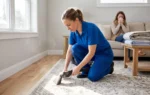
The renovation is done. The contractors are gone, the dust has settled—or so it seems. Weeks later, you’re still sneezing. Your eyes are still irritated. You can’t shake the feeling that something in your home isn’t right. If you’re dealing with allergies after home renovation and can’t figure out why, the answer may be hiding in your upholstery, rugs, and drapes.
Construction dust, adhesive vapors, and VOCs from new materials settle into soft goods during a renovation. Those textile allergens can continue to trigger symptoms long after the construction itself is complete, even when the room looks clean. This guide explains what causes post-renovation allergy symptoms, why fabrics are often the overlooked culprit, and what you can do about it.
What To Do Right Now
If you are experiencing allergy symptoms after a renovation and can’t identify the cause:
- Note whether symptoms are worse in specific rooms, near specific furniture, or at certain times of day. This pattern can point to which fabrics are most affected.
- Increase ventilation in renovated areas. Fresh air helps reduce VOC concentrations from new materials.
- Consider using a HEPA air purifier in the most affected rooms while you arrange professional textile evaluation.
- Don’t use scented fabric sprays or deodorizers on affected items. These add chemical irritants on top of existing allergens.
- Contact a textile restoration specialist to evaluate your soft goods for construction dust and allergen contamination.
The Problem: What Construction Does to Your Home’s Air and Fabrics
Any significant renovation, even one contained to a single room, releases a range of airborne particles and chemical compounds into your home. Construction dust allergy symptoms are among the most common post-renovation complaints, but the dust itself is only part of the problem. The full list of potential irritants released during a renovation includes:
- Fine particulate dust: From drywall cutting, sanding, and demolition. These particles are small enough to stay airborne for hours and settle deeply into fabric fibers.
- VOCs (volatile organic compounds): Released by new paints, adhesives, flooring materials, sealants, and caulks. VOC off-gassing can continue for weeks or months after installation.
- Fiberglass and mineral fibers: Released during insulation installation or removal. Microscopic fibers cause skin, eye, and respiratory irritation.
- Mold disruption: Renovation work that opens walls or disturbs existing moisture-damaged materials can release mold spores that were previously contained.
All of these particles and compounds settle on every surface in the home, including soft goods in rooms that may not have been directly part of the renovation.
Why Fabrics Are the Hidden Source of Ongoing Allergy Symptoms
Hard surfaces like countertops, floors, and walls can be wiped clean. Soft goods cannot. Fabric fibers trap dust particles, VOC molecules, and fine irritants and hold them in a way that regular household cleaning cannot fully address. This is why allergy symptoms often persist for weeks after a renovation even when the home looks spotless.
The soft goods that act as the longest-lasting allergen reservoirs after a renovation include:
- Upholstered furniture and cushions in adjacent rooms that received dust migration
- Area rugs, which collect and hold fine particles that are re-released into the air every time they are walked on
- Drapes and curtains, which act as air filters, trapping particles from passing air currents during construction
- Bedding and pillows, which absorb both airborne dust and VOC off-gassing from nearby new materials
Construction Allergy Symptoms: What to Know
Post-renovation allergy symptoms vary depending on what was released during construction and which materials are most affected. Common construction allergy symptoms include:
- Sneezing, runny nose, and watery eyes that began or worsened during or after renovation work
- Coughing, throat irritation, or shortness of breath in specific rooms
- Skin irritation or rashes that can’t be explained by other causes
- Headaches that improve when you spend time outside or away from home
- Symptoms that are worse in the morning (from sleeping near affected bedding) or in the evening (from sitting on affected upholstery)
New home construction allergies and allergy from house renovation share the same root cause, which are construction-related particles settling into the environment and remaining there long after the work is done.
What Happens if You Do Nothing
Allergy symptoms caused by construction dust allergens in fabrics don’t typically resolve on their own. The particles remain in the soft goods indefinitely unless actively removed. For people with asthma or existing allergies, ongoing exposure from untreated fabrics can cause symptom escalation over time. For everyone, living with chronic low-level irritation affects sleep quality, concentration, and daily comfort. The longer the allergens remain in place, the more they work their way deeper into the fabric structure, making eventual removal harder.
Reducing Allergies During Renovation and After: Professional Textile Cleaning
For reducing allergies during renovation, prevention is the most effective strategy. Seal off renovation areas, remove soft goods from the space before work begins, and use HEPA air filtration during and immediately after construction. When that isn’t possible, or when allergies persist after the fact, professional textile cleaning is the most direct solution.
A professional approach to post-renovation textile allergen removal includes:
- Item evaluation: Each fabric item is assessed for the type and level of contamination based on its location and proximity to construction activity.
- Deep fiber extraction: Methods that reach beyond the surface to extract particles from within the fabric pile, backing, and padding layers.
- VOC and chemical residue treatment: Agents that help neutralize chemical off-gassing from fabrics that absorbed VOCs from new construction materials.
- Fragrance-free finishing: Items are returned without added perfumes or deodorizers, which would add chemical irritants to a home already dealing with elevated allergen levels. Hiring a professional who can help reduce allergies during renovation and clean up after it is completed can protect your household’s health and comfort through the full project timeline.
Stop Blaming the Renovation and Start Fixing the Real Source
Allergies after home renovation aren’t something you simply have to live with until they go away. When the source is textile allergens trapped in your fabrics, the solution is professional cleaning that reaches where household vacuums and standard laundering can’t. Addressing the soft goods in your home is often the step that finally resolves the symptoms that have persisted since the last contractor left.
If construction dust allergy symptoms are persisting in your home after a renovation, contact Renewal Claim Solutions for a professional textile evaluation and a cleaning plan designed to clear construction allergens from your home’s soft goods.
We’re here to help.
Get in TouchPeople Also Ask
Why am I having allergy symptoms after a home renovation?
Renovations release construction dust, VOCs from new materials, and sometimes mold spores from disturbed wall cavities. These particles settle on every surface, including soft goods like furniture, rugs, and drapes, where they can continue to trigger symptoms for weeks or months. Hard surfaces can be wiped clean, but fabric holds particles at depth where normal cleaning does not reach.
How long do construction dust allergies last?
If the source is not addressed, construction allergy symptoms can persist indefinitely. Allergens embedded in soft goods are not self-cleaning. They remain in the fabric until actively removed. Symptoms typically improve only once the allergen source (often the textiles) is professionally treated.
Can a new home cause allergies?
Yes. New home construction allergies are well-documented. New materials, such as paints, flooring adhesives, cabinetry, and sealants, release VOCs that can irritate the eyes, nose, and throat. Construction dust from the build process also settles throughout the home. Soft goods brought into a new home during or shortly after construction are particularly susceptible to absorbing these compounds.
How do I reduce allergens in my home after construction?
The most effective steps are improving ventilation, using HEPA air purification, and professionally cleaning your soft goods. Vacuuming with a HEPA vacuum can reduce surface particles on hard floors, but upholstered furniture, rugs, and drapes typically require professional treatment to remove allergens at the fiber depth where they have settled.
What are the symptoms of construction dust allergy?
Common symptoms include sneezing, runny or congested nose, itchy or watery eyes, coughing, throat irritation, skin rashes, and headaches. Symptoms that are worse inside the home and improve when you go outside are a strong indicator that the source is indoor allergens rather than seasonal pollen.
Related Blog
Can Black Mold Mycotoxins Be Removed from Porous Household Fabrics and Clothing?

Can Smoke Odor Be Completely Removed from Upholstered Furniture After a Fire?

Discreet Emergency Fire Cleanup: Confidential Restoration for High-Profile Clients