
Can Sprinkler Water with Antifreeze Be Safely Cleaned from Drapes and Bedding?
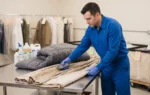
When a fire sprinkler activates, most homeowners brace for water damage. What many do not expect is what that water contains. In many buildings and homes, sprinkler lines are charged with an antifreeze solution to prevent pipes from freezing in cold temperatures. That means a sprinkler discharge is not plain water but rather a chemical mixture. It requires a much different approach to clean antifreeze residue safely from fabrics than it would if it was just water.
If your drapes, bedding, or other soft goods were soaked by sprinkler discharge, here’s what you need to know before attempting any cleaning on your own.
What to Do Right Now
If sprinkler water with antifreeze has soaked your fabrics, take these steps immediately:
- Do not put affected bedding or clothing in your home washer as this can spread chemical residue to the drum and other laundry.
- Limit skin contact with affected fabrics until they are properly assessed and cleaned.
- Keep items separated and contained. Bag or set aside affected drapes, bedding, and soft goods so residue does not transfer to clean surfaces.
- Photograph everything before any cleaning begins for your insurance claim.
- Contact a textile restoration specialist with experience in chemical contamination, not a general laundry or dry cleaning service.
The Problem: Antifreeze in Sprinkler Systems and What It Means for Your Fabrics
Antifreeze solutions used in fire sprinkler systems typically contain propylene glycol or glycerin. These chemicals are designed to lower the freezing point of water so pipes stay functional in cold spaces like attics, garages, and unheated areas. While these antifreeze compounds are generally considered lower toxicity than automotive antifreeze, they are not harmless, and they behave very differently from plain water when they soak into fabric.
Unlike water, which evaporates as it dries, antifreeze residue can remain in fabric fibers after drying. Items may look clean on the surface while still holding chemical residue that causes persistent odor, skin irritation, or fabric degradation over time. This is why simply washing or air-drying affected items is not sufficient.
Why Home Washing Is Not Enough
The instinct to wash affected bedding and drapes immediately is understandable, but it can create additional problems. Standard home washing cycles are not formulated to break down glycol-based compounds. Running contaminated fabrics through your washer can:
- Leave residue in the drum, potentially contaminating future loads
- Fail to fully remove the chemical from thicker fabrics like comforters or lined drapes
- Cause heat-driven bonding of chemical compounds to fabric fibers if the dryer is used
- Make subsequent professional treatment harder by partially setting residue rather than removing it
If affected fabrics still smell like chemicals or feel tacky after air-drying, that is a clear sign residue remains and a textile-specific cleaning process is needed to clean antifreeze properly from the fibers.
What Happens If You Do Nothing
Leaving antifreeze-contaminated fabrics untreated, or assuming a standard wash has handled the problem, can lead to:
- Persistent chemical odor that does not resolve with time or repeated washing
- Skin irritation or reactions from contact with affected bedding or clothing
- Fabric degradation or staining from chemical residue that was never fully removed
- A weakened insurance claim if items are not properly documented and evaluated before replacement decisions are made
How Professional Textile Restoration Addresses Antifreeze Contamination
A proper restoration process for antifreeze-affected fabrics is designed to clean antifreeze out of clothing and textiles completely, not just reduce surface odor or appearance. Here is how a specialist approaches it:
- Individual evaluation: Each item is assessed for fabric type, saturation level, and how long it was exposed before treatment began. These factors affect both the method used and whether restoration is viable.
- Chemical-specific cleaning agents: Unlike general laundry detergent, textile restoration products are selected to address glycol-based compounds and extract them from fiber at multiple layers.
- Controlled drying: Moisture and chemical residue are fully extracted before items are dried to prevent re-absorption. Heat is controlled to avoid bonding any remaining residue into fibers.
- Odor verification: Items are checked for residual chemical odor before being returned. If odor remains, the item requires further treatment or must be assessed for replacement.
Which Fabrics Are Most at Risk?
Not all fabrics respond the same way to antifreeze exposure. Items with the greatest risk of difficult or incomplete cleaning include:
- Lined drapes or blackout curtains, where antifreeze can saturate the inner lining without being visible on the face fabric
- Thick comforters and duvets with down or synthetic fill, where liquid penetrates deeply and drying is slow
- Natural fiber items like wool or cotton, which are more absorbent than synthetics
- Items that sat wet for several hours or more before treatment began
- The sooner affected items are evaluated, the better the restoration outcome. Waiting increases the chance that residue bonds more permanently to fibers and makes eventual cleaning more difficult or less complete.
How to Clean Antifreeze from Fabrics: When to Replace vs. Restore
Restoration is often worth pursuing when items are caught early, the fabric type is compatible with chemical-specific cleaning, and no structural or dye damage has occurred. Replacement is typically the more practical path when the item was saturated for a prolonged period, has persistent chemical odor after professional treatment, or is made of a material that cannot withstand the cleaning process without damage.
A professional evaluation gives you that answer quickly, before you spend time and money on an approach that may not work.
A Clean Reset for Your Home
When sprinkler water mixed with antifreeze soaks into your drapes or bedding, it calls for more than a quick wash. The ability to clean antifreeze effectively from fabrics depends on acting quickly, avoiding home washing shortcuts, and working with a specialist who understands chemical contamination in textiles.
Renewal Claim Solutions helps homeowners move forward with clarity and textile-specific expertise when chemical contamination is involved. Contact us today for a clear evaluation and a safe path toward restoring the items that make your home feel like home again.
We’re here to help.
Get in TouchPeople Also Ask
Can sprinkler water with antifreeze be cleaned out of drapes and bedding?
In many cases, yes. The outcome depends on how quickly treatment begins, how deeply the antifreeze has soaked into the fabric, and what the fabric is made of. The key is not treating it like plain water damage. A professional textile evaluation determines whether cleaning is realistic or whether replacement is the safer choice.
Is it safe to wash antifreeze-contaminated bedding in my home washer?
Generally, no. Home washers are not designed to break down glycol-based antifreeze compounds, and running contaminated items can spread residue to the drum and subsequent loads. Heat from the dryer can also bond chemical residue more deeply into the fibers.
How can I tell if my fabrics still have antifreeze residue after washing?
A persistent sweet or chemical smell is the clearest sign. You may also notice a slightly sticky or stiff texture, or experience mild skin irritation when handling affected items. Even without obvious symptoms, residue can still be present, which is why a professional evaluation is worthwhile before putting items back into regular use.
Do antifreeze solutions in home sprinkler systems pose a health risk?
Sprinkler systems typically use propylene glycol or glycerin-based solutions, which are considered lower toxicity than automotive antifreeze. However, they can still cause skin or eye irritation on contact and should not remain in bedding, clothing, or drapes that you use daily. Professional cleaning removes residue and eliminates that ongoing exposure risk.
Should I throw away curtains or comforters that got sprinkler discharge water on them?
Not automatically. Many soft goods can be restored when treated promptly and correctly. The bigger risk is keeping items that were not cleaned thoroughly, since residue can cause ongoing odor or irritation. Get a professional evaluation before deciding. It is the most reliable way to know what is worth saving.
Related Blog
Still Sneezing After Renovating? Your Fabrics Could be Causing Your Allergies After Home Renovation

Can Black Mold Mycotoxins Be Removed from Porous Household Fabrics and Clothing?

Can Smoke Odor Be Completely Removed from Upholstered Furniture After a Fire?